Why Your Agency Needs to Stop Buying "Shopware Hosting" (And Start Thinking About Operations)
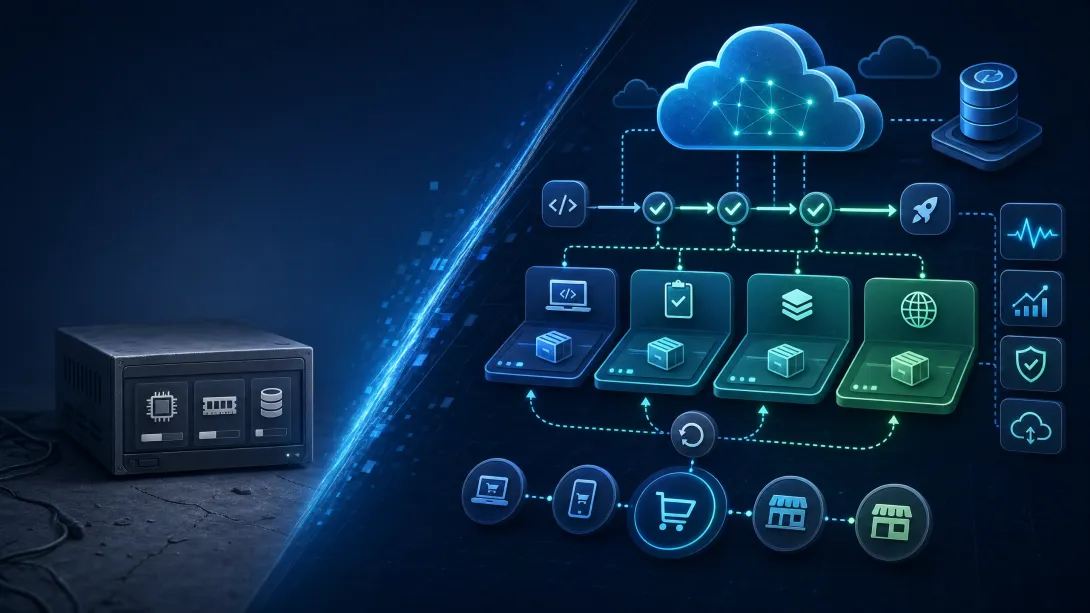
For over a decade, the relationship between e-commerce development teams and cloud infrastructure has been defined by a single, commoditized word: Hosting.
When a digital agency launches a new Shopware 6 store for a client, the default workflow is almost mechanical. You look for a managed host. You review pricing tiers based on raw hardware specs—four cores of CPU, sixteen gigabytes of RAM, a hundred gigabytes of solid-state storage. You migrate the codebase, point the domain, configure a basic caching tool, and hand the keys over to the client.
You pay your monthly invoice, cross your fingers, and hope the server stays online.
But as modern e-commerce architectures become more complex, this server-centric model is breaking down. Leading with "hosting" is a relic of an era when e-commerce sites were static brochures.
Today, serious Shopware teams are realizing that hosting alone is no longer enough to protect revenue or scale an agency. To survive, teams must stop buying commodity hosting and start implementing Cloud Operations.
The Commodity Trap: What "Hosting" Actually Sells You
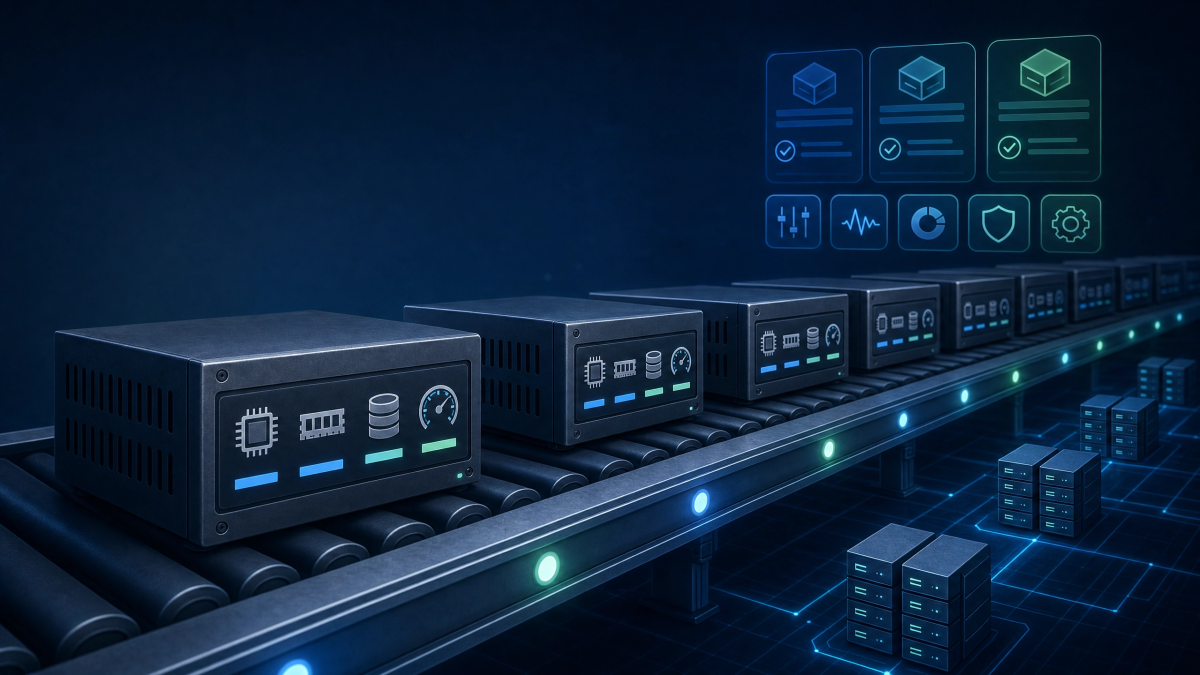
To understand why your infrastructure strategy needs to evolve, you have to look at what traditional hosting companies are actually selling.
Managed hosting is a commodity market
Because they sell hardware resources rather than workflow solutions, their marketing relies entirely on commodity metrics:
"The fastest server response times."
"One-click application installers."
"99.9% uptime guarantees."
"Cheap, predictable flat-rate tiers."
Here is the fundamental problem: Uptime at the server level does not equal uptime at the application level.
A traditional host can guarantee that your cloud server is running perfectly
Hosting merely gives your code a place to live
The Reality of E-Commerce Operations
Unlike a standard content website, a modern Shopware 6 storefront is a high-velocity transactional machine. Downtime doesn't just mean missed pageviews; it directly impacts immediate operational revenue
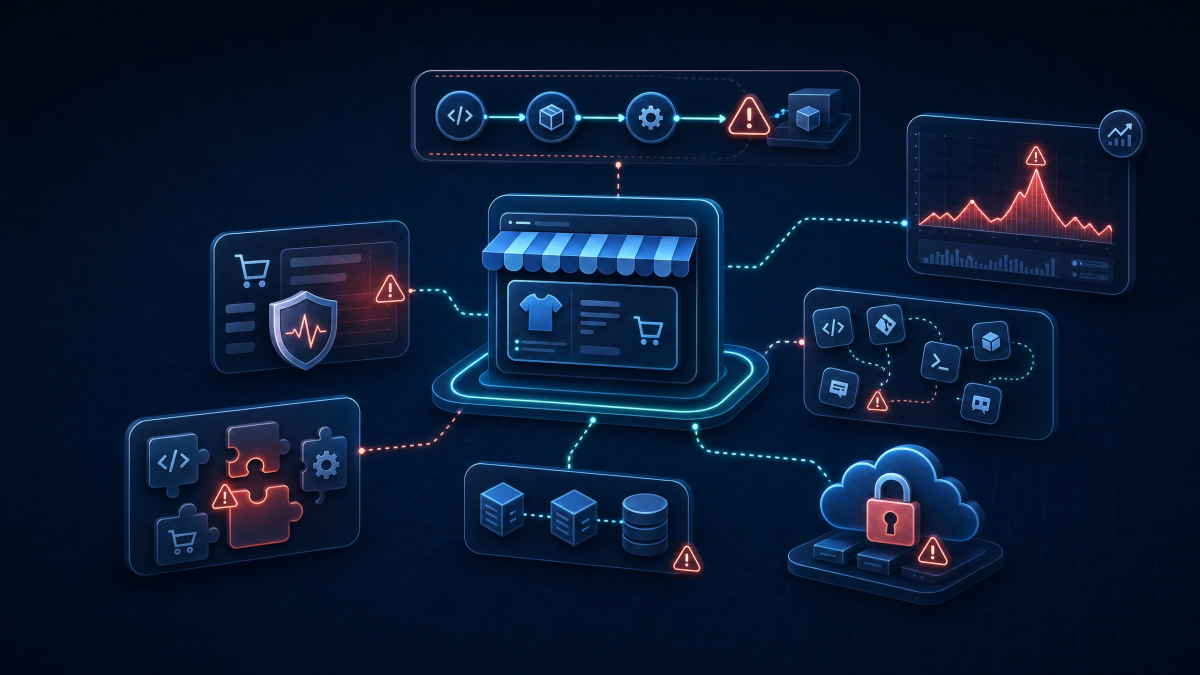
Because of this financial vulnerability, Shopware development leads and agency owners don't spend their days worrying about raw server specs. They spend their days worrying about operational risks:
Failed Deployments: Will pushing this custom plugin update break the checkout page during peak market hours?
Traffic Spikes: Can our current database configuration handle a sudden surge from a seasonal holiday campaign without crashing the web servers?
Toolchain Fragmentation: Why is it taking our development team hours to troubleshoot a localized environment bug that works perfectly on our staging server?
Vendor Lock-In: Why are we forced to pay massive hosting markups just to keep our digital storefront tied to a proprietary, black-box cloud ecosystem?
These are not hosting problems. These are operational workflow problems
Shopware Hosting vs. Shopware Operations: The Core Differences
When you pivot your agency from a hosting mindset to an operations platform mindset, your entire software development lifecycle transforms
| Operational Capability | Traditional Shopware Hosting | ShopForge Cloud Operations Platform |
|---|---|---|
| The Primary Product | Raw server instances, RAM, and storage space | Integrated, end-to-end release workflows and cloud abstraction |
| Developer Onboarding | Manual setup of local Docker, DDEV, or virtual machines | Cloud Development Environments (CDE) pre-configured via browser IDEs in under a minute |
| CI/CD Integration | Disconnected, third-party deployment scripts stitched together manually | Git-Driven Automation that automatically handles dependencies, asset compilation, and database indexing |
| Infrastructure Ownership | Proprietary vendor lock-in on the host’s private hardware accounts | Bring Your Own Cloud (BYOC)—running automated layers directly inside your own AWS, Azure, or OVH accounts |
| Deployment Safety | In-place code updates that risk temporary downtime or database corruption | Atomic Blue/Green Releases with single-click structural rollbacks |
Moving Up the Stack with ShopForge
Serious e-commerce teams buy the transformation, not the server hardware
This is exactly why we built ShopForge
Stop competing at the commodity server layer
Explore how the ShopForge platform transforms e-commerce infrastructure management at ShopForge.dev